DIY Roofing Cost vs Hiring a Roofer in NJ
Compare DIY roofing with hiring a roofer in NJ: materials, disposal, tools, safety and workmanship. Get a written estimate at a free inspection.
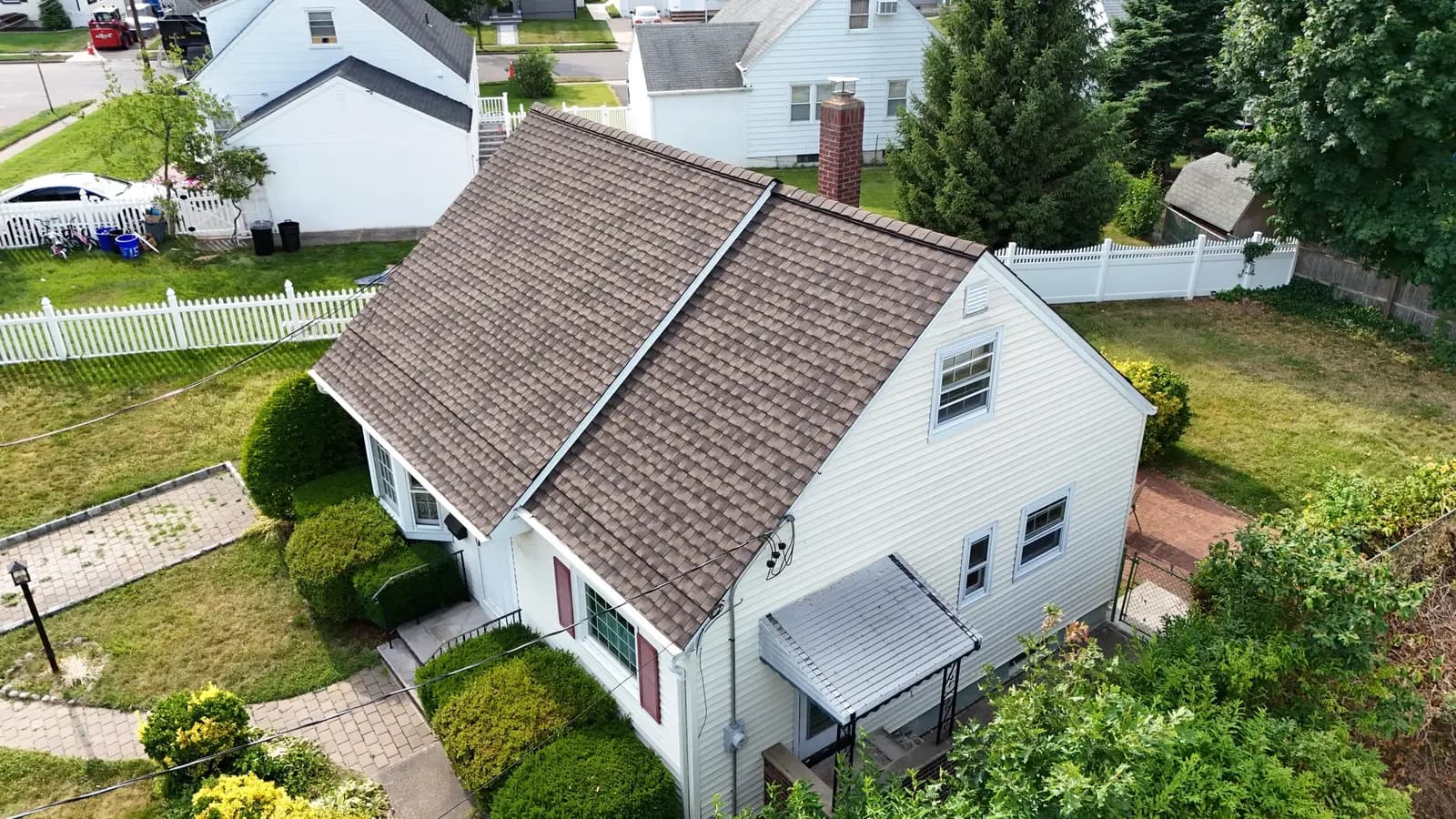
Doing your own roof makes you responsible for materials, removal, disposal, tools and fall protection as well as the installation. Roof size, pitch, existing layers and deck condition affect the scope whichever approach you choose. Your project consultant can explain the professional scope and give an exact written estimate at the free inspection.
Here is the honest math, what you trade away, the injury data, and the small jobs where doing it yourself is perfectly reasonable.
What a DIY Roof Actually Costs
A realistic comparison starts with the complete project. Measure the roof surface, identify the system components and account for removal, delivery, disposal and any required permits. A material list alone leaves out much of the work.
Take the labor out and the materials are what is left: shingles, starter, , synthetic , for the eaves and valleys, , , pipe boots, and nails. Then come the costs a roofer absorbs into the price and a homeowner pays separately:
- and disposal. Existing layers and material weight affect removal, debris handling and dumpster needs. Doing the tear-off yourself still leaves loading, hauling and disposal to arrange.
- Tools. A roofing nailer and compressor, roof jacks and planks, a ladder long enough to extend well past the eave, a brake for bending , and a magnet sweeper.
- Fall protection. A full-body harness, rope and rope grab, and a roof anchor fastened into the framing at the ridge.
- Waste and rework. First-time roofers cut more shingles wrong and reorder more often.
- Time and weather. A crew tears off only what it can dry in before the end of the day. A homeowner working weekends leaves the deck under tarps between sessions, and a summer thunderstorm or a nor’easter does not wait for Saturday.
DIY vs Hired, Side by Side
| Item | DIY | Hired roofer |
|---|---|---|
| Materials | Purchase the complete roofing system and arrange delivery | Included in the price |
| Labor | Your time, many weekends | Crew setup and installation described in the proposal |
| Removal and disposal | Arrange a dumpster, loading, hauling and disposal | Included or listed in the proposal |
| Tools and fall protection | Buy or rent | The roofer’s |
| Permit for roof-covering work on a detached one- or two-family dwelling | Generally no permit application for qualifying ordinary maintenance (N.J.A.C. 5:23-2.7); confirm structural work and other building types with the local construction official | Same rule applies |
| Enhanced manufacturer coverage | Not available | Available through certified contractors |
What DIY Gives Up
Manufacturer coverage tied to the installer. Shingle makers offer a basic product warranty to anyone, and stronger tiers through contractors they certify. GAF’s residential warranties page describes enhanced tiers such as and that are offered through GAF-certified and contractors. A self-installed roof cannot get them, and installation that strays from the printed instructions puts even the basic document in question. Our warranty page sets out what each manufacturer’s document actually says.
Workmanship accountability. If a hired roofer’s flashing leaks, you call the roofer. If yours leaks, you are back on the ladder.
A clean story at resale and at claim time. A buyer’s home inspector and your insurance adjuster will both look at how the roof was installed. Before you start, call your insurer and ask how they treat a self-installed roof; policies differ and only your policy answers it.
The Fall Risk in Plain Numbers
Federal fall-protection rules do not bind a homeowner. OSHA’s 29 CFR 1926.501 sets requirements “for employers,” and it requires that each employee doing residential construction 6 feet or more above a lower level be protected by guardrails, safety nets or a personal fall arrest system. The 6-foot line is there because the injury data is real.
According to the Bureau of Labor Statistics, roofing contractors accounted for 110 deaths from falls, slips and trips in 2023, 26.0 percent of all such deaths in construction. Those are trained workers, most with equipment. The Asphalt Roofing Manufacturers Association puts it bluntly in its technical bulletins: because it is dangerous to walk, climb or work on a roof, it recommends that only trained professionals do so. If you go up anyway, use a harness tied to a real anchor, every time.
Where DIY Roofs Go Wrong
- Nailing. Nails high, crooked or overdriven are the classic DIY defect, and they are why shingles blow off in the first big wind.
- Starter course and drip edge. Skipping the or lapping the drip edge wrong sends water behind the gutter and into the .
- Flashing. Step flashing at sidewalls and counter flashing at chimneys are where roofs leak. Caulk is not flashing.
- Eaves in a cold climate. Leaving out ice and water barrier at the eaves is an invitation to leaks in a New Jersey January.
- Temperature. HomeAdvisor notes that cold weather makes shingles brittle; the self-seal strips also need warmth to bond.
When DIY Is Reasonable
Even a small shingle or vent boot repair involves access, surrounding materials and the condition of the deck below. A steep roof or a high eave makes setup more demanding. Our roof repair cost guide explains the factors behind common repairs, and12 signs you need a new roof helps distinguish isolated damage from wider wear. Have the scope assessed before deciding how to proceed.
How Future Remodeling Fits In
Future Remodeling (FHRG LLC, 37A Woodbine St, Bergenfield, NJ 07621, #13VH13329600) offers a free in-home estimate. Any professional estimate is a useful number to hold against your own materials list, even if you end up doing the work. We are a GAF Master Elite® contractor and install GAF Timberline HDZ® and UHDZ shingles; see the roofing page and the asphalt shingle page. We work across New Jersey and Westchester County, as listed on service areas, and payment options are on the financing page.
Frequently Asked Questions
Can a homeowner replace their own roof in NJ?
Yes. The state code treats repairing or replacing the roof covering on a detached one- or two-family home as ordinary maintenance, with no permit application. Structural work such as new rafters or a rebuilt ridge still goes through your local construction official, whoever does it.
Can I do the tear-off myself and hire a roofer to install?
Some roofers will agree to it and many will not, because they cannot stand behind a deck they did not prepare and they lose control of the schedule. Tear-off is also the dirtiest, heaviest and most fall-prone part of the job, so it is the worst part to take on yourself.
Can I put new shingles over my old roof myself?
Yes, if there is one existing layer and it is sound. The model reroofing rule New Jersey follows does not allow a new layer over two existing ones or over a water-soaked or deteriorated roof. An overlay also hides the deck, so soft spots go unfixed.
Recap
A DIY roof still requires the complete material system, disposal, tools and fall protection. A professional proposal should explain the installation scope and available manufacturer coverage. To understand the work your house needs,book a free inspection for an exact written estimate from your project consultant.