
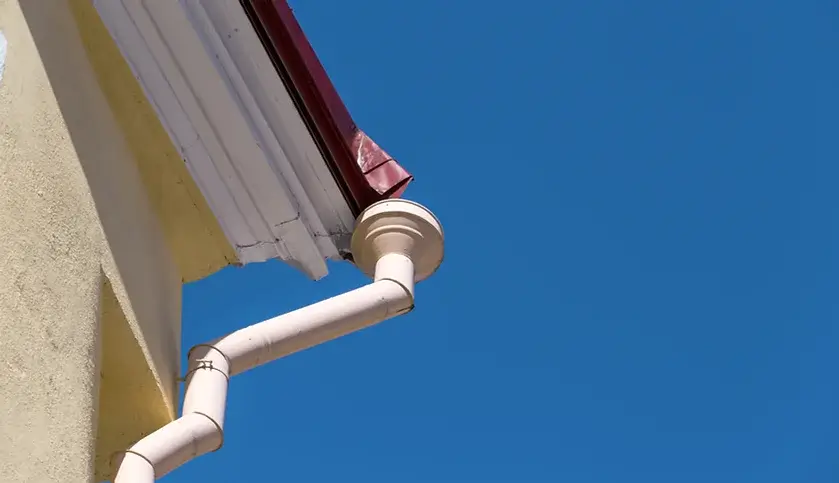
A properly functioning gutter system is one of the most important yet overlooked aspects of home protection. Designed to manage water runoff and protect structural integrity, gutters are composed of several interconnected parts that each play a critical role in preventing water damage.
This comprehensive guide answers the common question: what are the parts of a gutter called? It also explores how these components work together to safeguard a home’s foundation, roofline, siding, and landscaping. Whether preparing for gutter installation, replacement, or routine maintenance, understanding gutter anatomy can help homeowners make informed decisions.
Why Knowing Gutter Parts Matters
Every component in a rain gutter system contributes to its performance. When even one element fails, whether it’s a loose downspout or clogged outlet, the result can be costly water damage. Identifying and understanding the names and functions of each part allows for early detection of issues, more effective repairs, and more productive conversations with contractors.
Gutter System Components Explained
Here is a breakdown of the most common gutter components found in residential drainage systems:
1. Gutter (Trough)
The gutter is the long, horizontal channel installed along the edge of the roof. It collects rainwater as it flows off the shingles.
- Function: Captures and redirects runoff toward the downspout.
- Related terms: rain gutter, gutter channel, roof gutter.
2. End Cap
Located at the end of the gutter, the end cap seals off the opening to keep water from spilling out.
- Function: Contains water within the gutter run and prevents overflow from the sides.
3. Gutter Hangers / Brackets
These hidden or exposed supports attach the gutter to the fascia board.
- Function: Holds the gutter in place and maintains the correct slope for drainage.
- Semantically related: gutter supports, mounting brackets.
4. Fascia Board
Although not part of the gutter itself, the fascia board is a critical element to which gutters are mounted.
- Function: Provides structural support and creates a barrier between the edge of the roof and exterior walls.
5. Downspout
The downspout is a vertical pipe that connects to the gutter via a drop outlet. It carries water down and away from the home.
- Function: Directs water to the ground or a designated drainage area.
- Also known as: leader pipe, downpipe.
6. Drop Outlet
This is the fitting that connects the horizontal gutter run to the vertical downspout.
- Function: Funnels water from the gutter into the downspout.
- Semantically related: outlet tube, gutter connector.
7. Elbow
The elbow is an angled connector that changes the direction of the downspout.
- Function: Helps guide water around corners or extend it away from the house at the base.
- Typical angles: 45°, 75°, or 90° bends.
8. Splash Block or Downspout Extension
Installed at the bottom of the downspout, a splash block disperses water away from the foundation.
- Function: Prevents soil erosion and basement leaks by directing runoff away from the base of the home.
- Alternatives: flexible drainage extensions, buried drain pipes.
9. Gutter Guard / Leaf Screen (Optional)
A protective mesh or cover that fits over the top of the gutter to prevent leaves and debris from entering.
- Function: Reduces clogs and minimizes maintenance.
- Semantically related: gutter protection system, leaf filter.
Common Materials Used in Gutter Systems
| Material | Benefits | Drawbacks |
|---|---|---|
| Aluminum | Lightweight, rust-resistant, affordable | Prone to denting |
| Vinyl | Cost-effective and easy to install | Brittle in extreme temperatures |
| Copper | Long lifespan, upscale aesthetic | High cost |
| Galvanized Steel | Durable, strong | Susceptible to rust over time |
Material selection impacts not just durability and appearance, but also how well the gutter system integrates with rooflines and drainage requirements.
Signs of Gutter System Issues
Knowing the gutter parts by name can help homeowners spot and describe problems such as:
- Sagging or pulling gutters (often due to broken hangers)
- Water spilling over the edges (potentially clogged or undersized gutters)
- Leaks at joints or corners (failed seals or corroded end caps)
- Detached downspouts or elbows
- Pooling water near the foundation (ineffective splash block or extension)
Prompt inspection and repair can prevent water intrusion, rotting fascia, and foundation cracks.
Tips for Maintaining Gutter Components
- Clean gutters and downspouts at least twice a year.
- Inspect and tighten gutter hangers to prevent sagging.
- Flush downspouts with a hose or pressure washer to remove blockages.
- Seal minor leaks using silicone-based caulk or gutter sealant.
- Replace worn parts, such as cracked elbows or rusted end caps, before they cause system failure.
- Add leaf guards in areas prone to heavy foliage.
When to Repair vs. Replace Gutters
| Issue | Suggested Action |
|---|---|
| Small holes or cracks | Patch or seal |
| Detached brackets or loose hangers | Refasten or replace |
| Rusted or corroded metal gutters | Replace affected sections |
| Aging or sagging vinyl gutters | Full replacement |
| Inconsistent water flow or drainage | Reconfigure slope or system size |
Frequently Asked Questions
What are the corners of a gutter called?
They are referred to as miters, either inside or outside miters, depending on the angle and orientation.
What’s the best type of downspout extension?
For permanent redirection, buried corrugated piping is often the most effective. For temporary use, plastic splash blocks or roll-out extensions are sufficient.
Are gutter guards worth it?
Gutter guards reduce the frequency of cleaning and extend the system’s lifespan by minimizing clogs, particularly in wooded or debris-heavy environments.
Conclusion
Understanding what the parts of a gutter are called is essential for homeowners looking to properly maintain or upgrade their drainage system. Each component, from the fascia bracket to the downspout elbow, plays a role in directing water safely away from the home. By learning the names and functions of these gutter system components, homeowners are better equipped to identify problems, prevent water damage, and work effectively with contractors during installations or repairs.
For long-term protection and peace of mind, regular inspection and upkeep of these essential rainwater management components is key.
If you’re located in New Jersey and need professional gutter installation, repair, or full replacement, contact the experts at Future Remodeling. Our team is equipped to design and install high-performance gutter systems that protect your home for years to come.
