
How Long Do Roofs Last in NJ? What NJ Homeowners Should Know
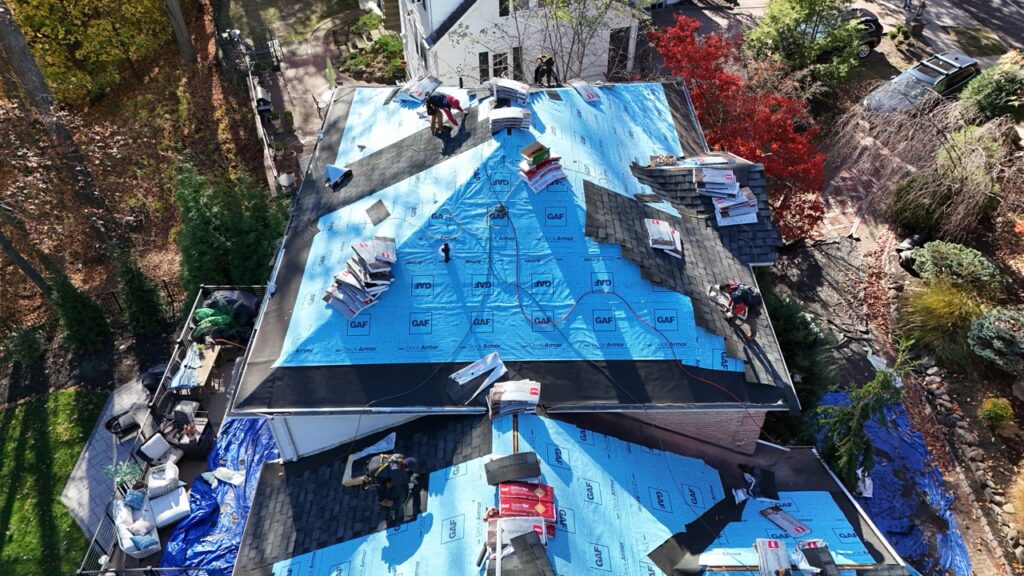
If you’re a New Jersey homeowner asking yourself how long your roof will last, you’re not alone. Harsh winters, hot summers, and coastal humidity can all impact the lifespan of your roof. Understanding the typical longevity of roofs in New Jersey, the factors that affect it, and when it’s time to repair or replace it can help you protect your home and avoid costly surprises.
In this guide, we’ll break down average roof life spans by material, regional considerations specific to New Jersey, warning signs of roof failure, and expert tips to extend your roof’s durability.
Why It Matters: The Cost of a Roof Replacement in NJ
Roof replacements in New Jersey typically cost between $7,000 and $15,000 depending on materials, home size, and contractor fees. That’s a major investment—one that makes understanding how many years a roof lasts in NJ even more important. According to HomeAdvisor, the national average for roof replacements aligns with this range, with variations depending on labor costs and regional weather challenges.
Being proactive about your roof’s condition and age can help you plan financially and avoid sudden structural damage that results from ignoring roofing issues.
Average Roof Lifespan by Material in New Jersey
The life expectancy of a roof depends heavily on the type of material used. Here’s what New Jersey homeowners should expect from common roofing materials, assuming proper installation and maintenance:
1. Asphalt Shingles (15–30 years)
Asphalt shingles are the most common roofing material in NJ, thanks to their affordability and ease of installation. According to the National Association of Home Builders (NAHB), asphalt shingle roofs have an average life expectancy of about 15-20 years for 3-tab and up to 25-30 years for architectural asphalt shingles.
However, New Jersey’s freeze-thaw cycles, hail, and summer humidity can degrade asphalt shingles faster than in drier climates. If you’re trying to determine the expected lifespan of an asphalt roof in NJ, expect to inspect them closely by year 15.
2. Metal Roofs (40–70 years)
InterNACHI reports that metal roofs can last anywhere from 40 to 80 years, depending on the specific metal and coating used. Metal roofing is increasingly popular in NJ due to its durability and energy efficiency. A well-installed metal roof can last up to 70 years, even with coastal salt exposure and strong storms.
This makes it an excellent long-term investment for homeowners concerned about how long roofs hold up in NJ weather.
3. Wood Shakes or Shingles (20–40 years)
NAHB estimates wood shingle and shake roofs typically last around 30-40 years. However, NJ’s humidity and precipitation levels make wood roofs susceptible to rot and mold. Regular maintenance is essential to reach the higher end of the lifespan range.
4. Slate Roofs (50–100+ years)
Natural slate is one of the longest-lasting roofing materials. The Spruce states slate roofs can last from 60 to 150 years depending on quality and installation. In NJ, slate roofs can easily exceed 75 years when properly installed. These roofs are ideal for historic or high-end homes, but they require a reinforced structure due to their weight.
5. Clay or Concrete Tiles (40–60 years)
InterNACHI notes that clay and concrete tile roofs may exceed 100 years with proper installation and care. Though less common in NJ, clay and concrete tile roofs can last up to 60 years with low maintenance. They’re more popular in warmer, dry climates but can still be an option for certain architectural styles in the state.
Factors That Affect Roof Lifespan in NJ
Even with a quality roof, New Jersey’s climate can shorten the expected lifespan. Homeowners researching roof durability in New Jersey should also consider these local factors:
- Weather Extremes: Snowstorms, hail, and summer heat waves can cause shingle warping, ice dams, and accelerated wear.
- Humidity & Rain: Mold, algae, and water infiltration are more common in NJ due to high humidity.
- Proximity to the Coast: Salt air can corrode certain materials like metal or degrade wood shingles faster.
- Tree Coverage: Shade and leaf buildup from nearby trees can cause moss or trapped moisture.
- Ventilation & Insulation: Poor attic ventilation can lead to condensation and shorten your roof’s life.
Signs You May Need Roof Repair or Replacement
If you’ve been living in your home for 10–20+ years and are wondering when you might need to replace your roof in NJ, here are some red flags that indicate it may be time to act:
- Curled, cracked, or missing shingles
- Granules collecting in gutters
- Sagging rooflines
- Water stains on ceilings or attic walls
- Mold or moss growth
- Frequent leaks or drafts
If your roof is nearing the end of its expected lifespan and you’re seeing these issues, it’s time to schedule an inspection with a licensed NJ roofing contractor.
How to Extend Your Roof’s Lifespan in NJ
You can’t change the weather, but you can take steps to extend your roof’s life:
- Schedule Annual Inspections: A pro can catch early signs of wear before major damage occurs.
- Clean Gutters Regularly: Prevents ice dams and water backup.
- Trim Overhanging Branches: Reduces debris buildup and storm damage.
- Ventilate and Insulate Your Attic: Keeps temperatures balanced and prevents condensation.
- Remove Moss or Algae Promptly: Use a roof-safe cleaner to reduce degradation.
- Replace Damaged Shingles Early: Delays the need for a full replacement.
Whether your roof is new or aging, these actions help ensure your NJ roof lasts as long as possible.
When to Call a Roofing Professional
If your roof is more than 15 years old or you’re unsure of its age or condition, it’s wise to call in a roofing specialist for an evaluation. This is especially important after major storms.
An expert will assess the structure, ventilation, shingle wear, and flashing to help you decide whether repairs or full replacement make the most sense. This can add years of life to your roof and save you thousands in emergency costs.
Final Thoughts: How Long Do Roofs Last in NJ?
So, how long can you expect a roof to last in NJ? It depends on material, maintenance, and climate conditions, but here’s a quick recap:
- Asphalt Shingles: 15–30 years
- Metal Roofs: 40–70 years
- Wood Shingles: 20–40 years
- Slate: 50–100+ years
- Clay/Concrete Tiles: 40–60 years
Homeowners in NJ should plan for periodic inspections and stay ahead of repairs. By knowing what to look for and when to act, you can extend your roof’s lifespan, protect your home, and avoid last-minute replacements.
Ready to find out if your roof is still in its prime? Contact a licensed NJ roofing contractor today for a free inspection and get the peace of mind you deserve.
