
Key Highlights
- Asphalt shingle roofs are popular for their affordability, durability, and ease of installation.
- They come in various styles and colors to complement diverse home designs.
- Proper installation and maintenance are crucial for maximizing their lifespan.
- Factors like climate conditions and ventilation can affect their performance.
- Homeowners must weigh the pros and cons carefully before deciding.
What is an Asphalt Shingle Roof?
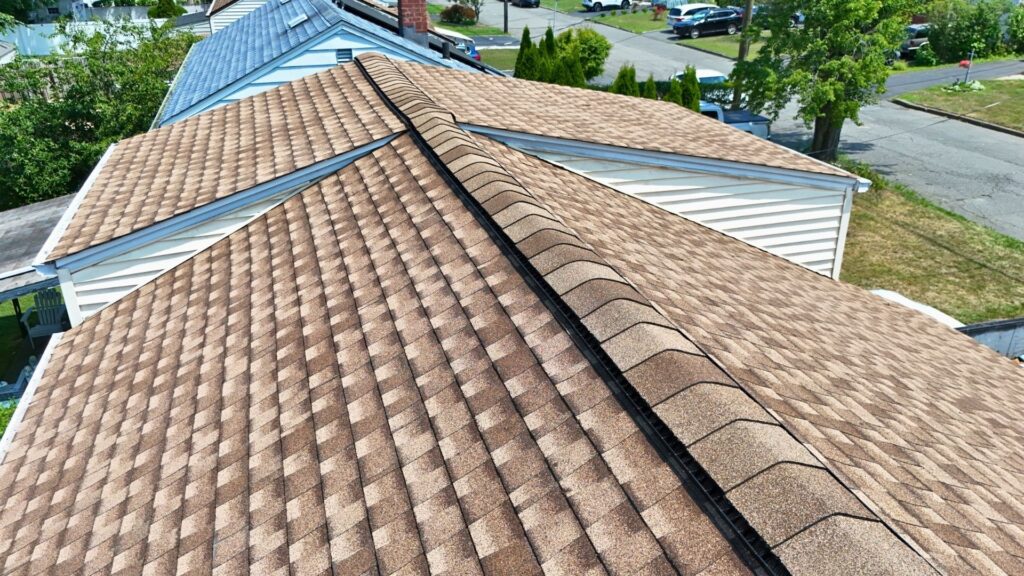
An asphalt shingle roof is a roofing system made up of individual overlapping elements. These shingles are typically composed of a fiberglass mat base impregnated with asphalt and covered with mineral granules. The overlapping design provides effective water shedding, directing rainwater away from the roof’s structure.
There are various types of asphalt shingles available, each with its own set of characteristics:
- 3-Tab Shingles: Once the standard in residential roofing, 3-tab shingles are now considered outdated due to their flat, uniform appearance and thinner construction. While they remain the most economical option, they offer less durability and a shorter lifespan compared to modern alternatives, making them less common in new installations.
- Dimensional Shingles (Architectural Shingles): These shingles have largely replaced 3-tab options thanks to their layered, textured design that mimics wood shakes or slate. They provide better durability, wind resistance, and curb appeal.
- Premium Shingles: These high-end shingles are designed for top-tier performance and aesthetics, offering greater thickness, advanced features, and extended warranties for long-term value.
How Long Do Asphalt Roof Shingles Last?
A common question homeowners have is, “How long will my new asphalt shingle roof last?” While manufacturers provide estimated lifespans for their products, the actual durability of your roof depends on a variety of factors.
On average, asphalt shingle roofs have a lifespan of 15 to 30 years. However, this range can fluctuate based on the type of shingles used, the quality of installation, local weather conditions, and the level of maintenance the roof receives.
Investing in higher-quality shingles and ensuring proper installation by a qualified roofing contractor can significantly extend the roof’s lifespan. Regular maintenance, such as cleaning debris and addressing minor issues promptly, also plays a vital role in maximizing the roof’s durability.
Types of Asphalt Shingles and Their Lifespan
The type of asphalt shingle you choose for your roof directly impacts its lifespan. Knowing the expected lifespan of different shingle types aids in making the right selection for your needs and budget.
- 3-Tab Shingles: The most basic type, generally lasting between 15 and 20 years.
- Dimensional Shingles: Also known as architectural shingles, offer greater thickness and dimension, extending their lifespan to 25 to 30 years.
- Premium Shingles: For those seeking maximum durability, these high-performance shingles can last up to 50 years, offering exceptional resistance to impact, wind uplift, and other environmental factors.
Pros and Cons of Asphalt Shingle Roofs
When considering a new roof for your home, asphalt shingles often emerge as a leading contender. As the most commonly used roofing material across American homes, these versatile shingles have earned their popularity for good reason. But are they the right choice for your specific needs? Let’s explore what makes asphalt shingles stand out and where they might fall short.
| Benefits of Asphalt Shingle Roofs | Potential Drawbacks of Asphalt Shingle Roofs |
| Cost-effective compared to other roofing materials | Shorter lifespan than metal or tile roofs (typically 15-30 years) |
| Quick and easy installation, reducing labor costs and timelines | Susceptible to wind damage, especially in storm-prone areas |
| Wide variety of colors and styles to enhance curb appeal | May need more frequent replacement in areas with extreme weather |
| Practical choice balancing cost, quality, and aesthetics | Requires careful installation and possibly higher-rated shingles for strong winds |
| Easier maintenance compared to some other roofing materials | Less environmentally friendly (petroleum-based and difficult to recycle) |
| Good fire resistance (especially Class A-rated shingles) | Can develop algae and moss growth in humid climates |
| Excellent sound insulation from rain and outside noise | Poor energy efficiency compared to “cool roof” options |
| Widely available with abundant contractor expertise | Can become brittle and crack in extreme cold temperatures |
| Lower structural requirements due to lighter weight | May void warranties if installed over existing roofing layers |
| Easily adaptable to various roof shapes and angles | Quality varies significantly between manufacturers and grades |
Asphalt shingles remain popular for their balance of performance and affordability. Their lightweight design works with most homes, and they come in styles ranging from basic three-tab to architectural varieties that mimic slate or cedar. While they typically last 20+ years in moderate climates, consider higher-grade products for extreme weather areas. Though not the most eco-friendly option, some manufacturers now offer more sustainable alternatives. Consult with qualified contractors to determine if asphalt shingles suit your specific needs.
Does an Asphalt Shingle Roof Increase Your Home’s Value?
A well-maintained and visually appealing roof significantly enhances your home’s curb appeal, increasing its market value. While the specific impact on value may vary, an asphalt shingle roof in good condition can positively influence potential buyers.
Choosing higher-quality architectural shingles or designer shingles that complement your home’s style can further elevate its perceived value. Additionally, regular maintenance and timely repairs demonstrate proactive homeownership, crucial factors considered by prospective buyers.
Durability and Maintenance of Asphalt Roofs
Asphalt shingle roofs are a durable and cost-effective option for many homeowners, especially in regions like New Jersey where seasonal weather can be tough on roofing materials. With proper installation and consistent maintenance, these roofs can last for decades. However, neglecting routine care can lead to premature wear, leaks, and expensive repairs.
To extend the lifespan of your asphalt roof, consider the following maintenance best practices:
- Inspect your roof twice a year, ideally in spring and fall, for:
- Missing, cracked, or curled shingles
- Loose flashing or damaged seals around vents and chimneys
- Signs of moss, algae, or water pooling
- Clean your gutters regularly to prevent water buildup under shingles and reduce the risk of leaks.
- Remove debris such as leaves, twigs, and branches from your roof to prevent moisture retention and mold growth.
- Trim overhanging tree branches that could scratch, dislodge shingles, or cause damage during storms.
- Address small issues promptly before they become major problems—early intervention saves money in the long run.
- Schedule a professional roof inspection every few years, especially after harsh winters or summer storms.
By staying proactive with these simple tasks, you can help your asphalt roof stand up to the elements and protect your home for years to come.
When to Replace Your Asphalt Roof
Determining the right time to replace your asphalt roof can be tricky. While age is a factor, several signs indicate it’s time for a replacement. Recognizing these signs early prevents further damage and costly emergency repairs. Curled, cracked, or missing shingles are clear indicators of an aging roof nearing its end. Excessive granule loss, evident in your gutters or around downspouts, suggests significant wear and tear. If you notice signs of leaking or water damage inside your home, particularly in the attic, it’s crucial to have your roof inspected by a professional immediately.
How Much Does it Cost to Shingle a Roof?
The cost to shingle a roof varies depending on several factors, necessitating careful consideration during budget planning.
Factors influencing costs include the size and complexity of your roof, the type of asphalt shingles chosen, local labor costs, and the inclusion of any additional features like skylights or chimneys.
Obtaining multiple quotes from reputable roofing contractors in your area is recommended to compare pricing and ensure you’re getting a fair deal. Be sure to discuss the specifics of your project and clarify what’s included in each quote.
Installing and Replacing Asphalt Shingle Roofs in NJ
New Jersey homeowners have specific factors to consider when it comes to asphalt shingle roof installation or replacement. Local climate conditions, building codes, and reputable contractors familiar with the area are crucial aspects. Choosing an experienced roofing contractor in NJ ensures proper installation aligned with local regulations, leading to a durable and long-lasting roof. They can also guide you in selecting shingles suitable for New Jersey’s climate, ensuring optimal performance.
Average Roofing Costs in New Jersey
Understanding average roofing costs in New Jersey helps homeowners budget effectively and avoid surprises during the project. While prices vary depending on the scope of work and materials selected, a typical asphalt shingle roof replacement for an average-sized home (about 2,000 square feet) generally ranges from $8,000 to $16,000. This aligns with the average installed cost of $3 to $7 per square foot for asphalt shingles. Consulting with a reputable roofing contractor in NJ ensures you receive an accurate, customized estimate based on your specific needs. Key factors that influence total cost include roof size, shingle type, labor expenses, and any necessary structural repairs.
Installation and Choosing a Roofer in New Jersey
Selecting the right roofer is just as important as choosing the right shingles for a successful roofing project in New Jersey. Start by seeking recommendations from friends, family, or neighbors who’ve had positive experiences. Research potential contractors online, looking for strong reviews, ratings, and proper certifications.
Make sure any roofer you consider is licensed and insured in New Jersey, which protects both you and your property. It’s also crucial to choose a contractor with a solid track record of quality work and compliance with local building codes.
Future Remodeling is a trusted name in the New Jersey area, known for reliable service, transparent pricing, and expert asphalt shingle installation. Be sure to request written estimates from multiple contractors, like Future Remodeling, to compare offerings and ensure you’re getting a fair, comprehensive deal.
Permits & Regulations for Roofing Projects in New Jersey
Roofing projects in New Jersey require adherence to specific permits and regulations, ensuring safety and compliance with local building codes. Homeowners must be aware of these requirements before commencing any roofing work. Typically, a permit is required for roof replacements and significant repairs. Your chosen roofing contractor can guide you through the permit process or handle it on your behalf. Building codes in New Jersey dictate factors like shingle type, wind resistance, and ventilation requirements.
- Building Permit: Required for most roofing projects, including replacements and major repairs.
- Electrical Permit: Necessary if the roofing project involves electrical work, such as installing solar panels or attic fans.
Conclusion
In conclusion, understanding the benefits and drawbacks of asphalt shingle roofs is essential for making an informed decision for your home. These roofs offer a great balance of durability, affordability, and aesthetic appeal, but it’s important to factor in maintenance requirements and lifespan expectations. They can add significant value to your property, especially when professionally installed. For New Jersey homeowners, being aware of local costs, climate impact, and permit requirements will help guide your roofing project successfully.
Ready to replace your roof? Contact Future Remodeling for a free, no-pressure consultation tailored to your needs. We offer personalized quotes and guidance tailored to your needs! Our team can help you choose the right materials, stay within budget, and ensure a smooth, code-compliant installation from start to finish.
Frequently Asked Questions
How Long Does an Asphalt Shingle Roof Last?
The lifespan of an asphalt shingle roof typically ranges from 15 to 30 years, depending on factors like the type of shingles used, proper installation, and maintenance. Extreme temperatures and severe weather conditions can impact its durability, prompting homeowners to consider these factors for estimates.
How Do You Know When to Replace an Asphalt Shingle Roof?
Homeowners should consider replacing their asphalt shingle roof if they notice signs of significant wear and tear, such as curling or missing shingles, granule loss, or leaks. Consulting a qualified roofing contractor for an inspection helps determine the roof’s condition and the need for replacement.
What is the Average Cost to Install an Asphalt Shingle Roof?
The average cost to install a new asphalt shingle roof varies, influenced by factors such as roof size, shingle type, and labor costs. Homeowners should consult with a reputable roofing contractor for accurate cost estimates tailored to their specific project needs and budget.
How Does the Cost of an Asphalt Roof Compare to Other Roofing Materials?
Asphalt shingles are typically more affordable upfront compared to other roofing materials like metal or tile. However, homeowners must consider the lifespan and long-term durability of different roofing systems to make cost-effective decisions.
How Does the New Jersey Climate Affect Asphalt Roofs?
New Jersey’s climate, with its hot summers and cold winters, can impact the durability of asphalt roofs. Extreme temperature fluctuations can cause expansion and contraction, potentially leading to cracking or curling. Homeowners should select shingles rated for the local climate to ensure long-term performance.
How Long Does a Shingle Roof Last in NJ?
The lifespan of a shingle roof in NJ can range from 15 to 30 years, depending on factors like shingle quality, installation, and maintenance. Extreme temperatures can impact durability, making it essential for homeowners to choose suitable shingles and consult with a reputable roofing contractor in NJ.
How Much Should a New Roof Cost in NJ?
The cost of a new roof in NJ varies, but homeowners can expect to pay between $8,000 to $16,000 for an average-sized home with asphalt shingles. Consulting with a reputable roofing contractor in NJ is crucial for accurate cost estimates based on individual project needs and budget considerations.
Do You Need a Permit in NJ for a New Roof?
Yes, permits are typically required for new roof installations in NJ, ensuring compliance with building codes and safety regulations. Homeowners should consult with their chosen roofing contractor in NJ, who can guide the permit process and ensure compliance with local ordinances.
